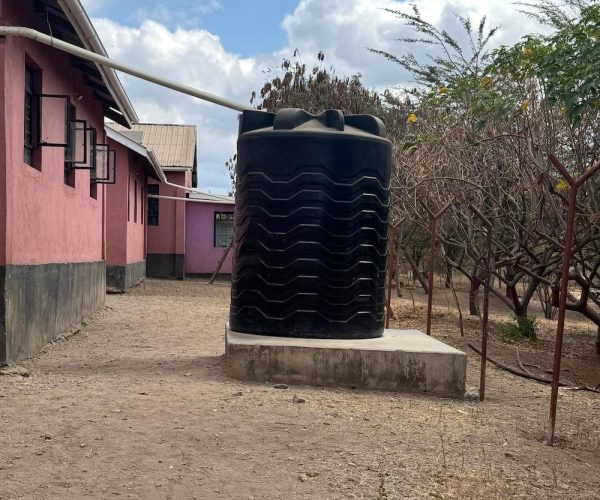
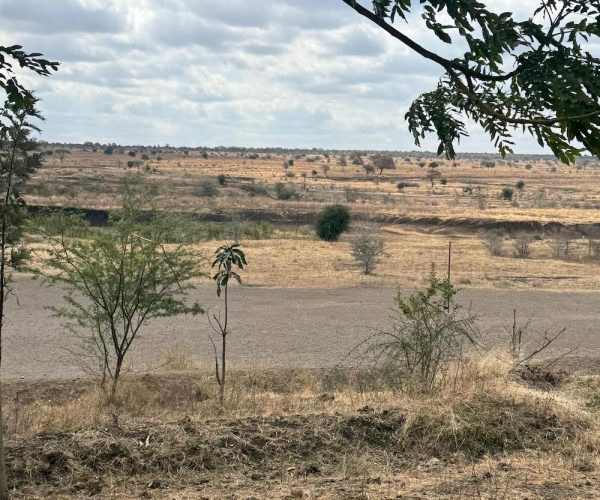
The NMI Water Project is a comprehensive community-driven initiative to provide sustainable, reliable, and cost-effective access to water for the Makuyuni Maasai community and Nashipay Pre and Primary School.
The project combines three complementary water solutions:
1. Rain Water Collection and Storage
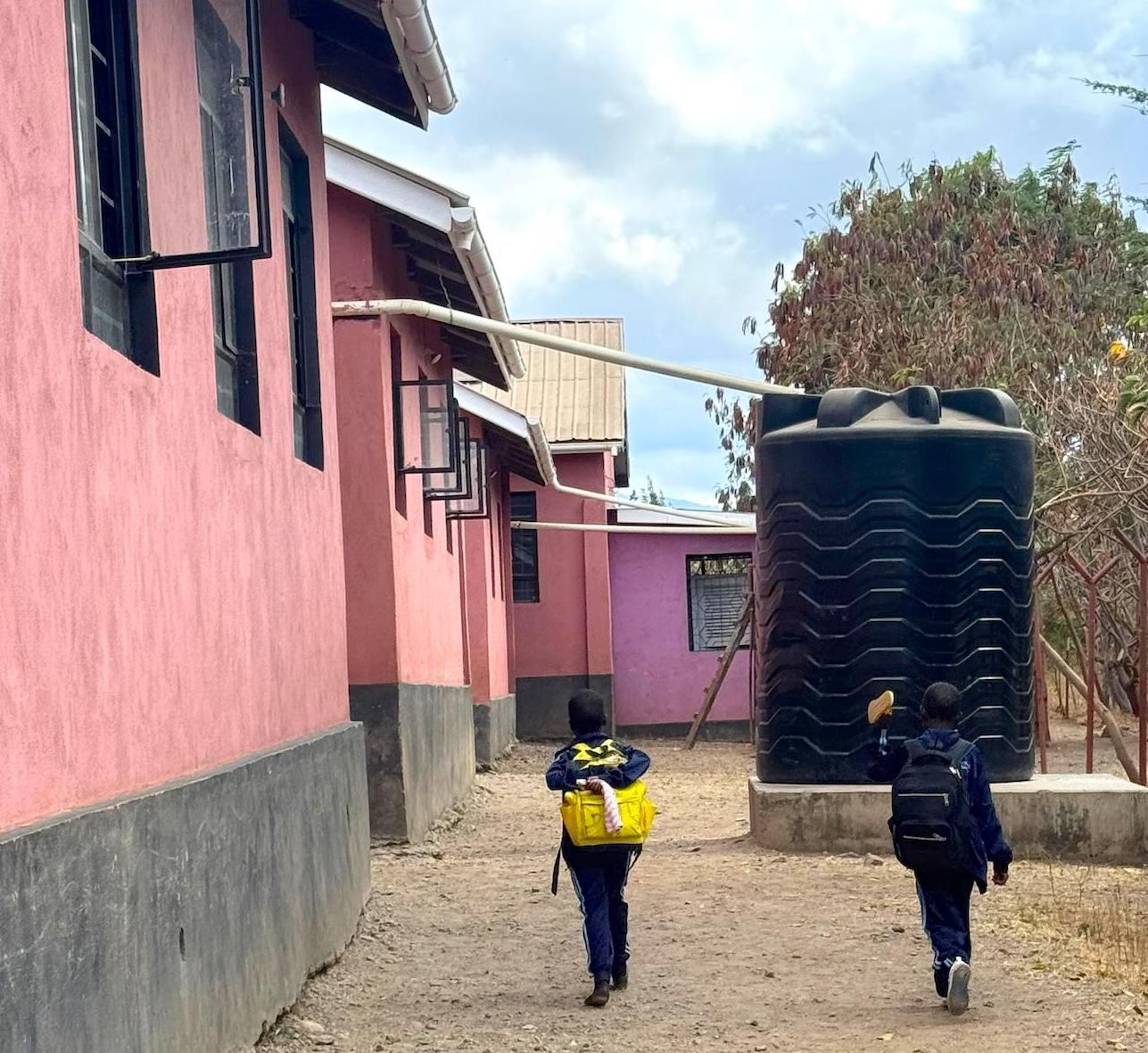
Installation of rain gutters and underground storage tanks to harvest and conserve rainwater.
2. Borehole Drilling
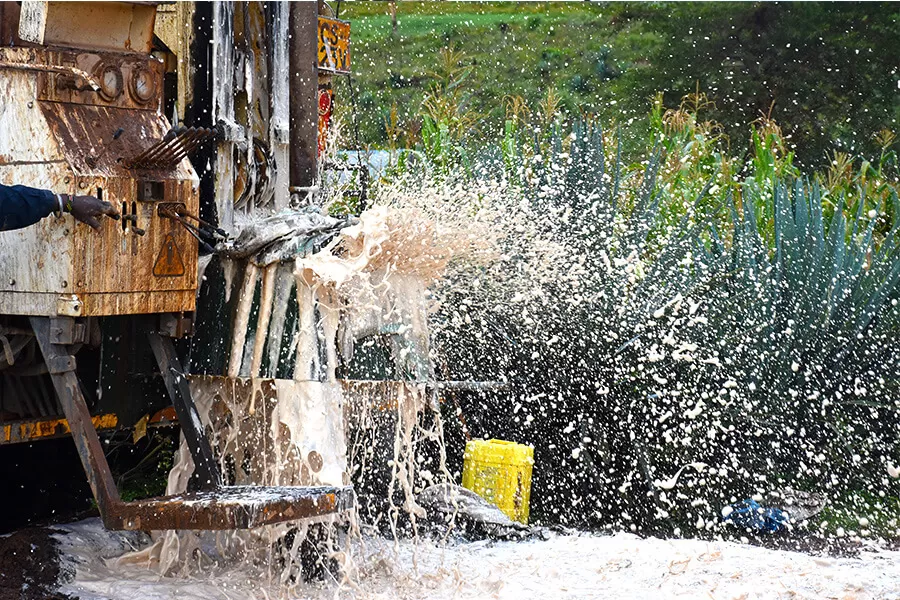
Development of Boreholes to provide groundwater as a dependable supplementary water source.
3. Dam Reservoir Reconstruction
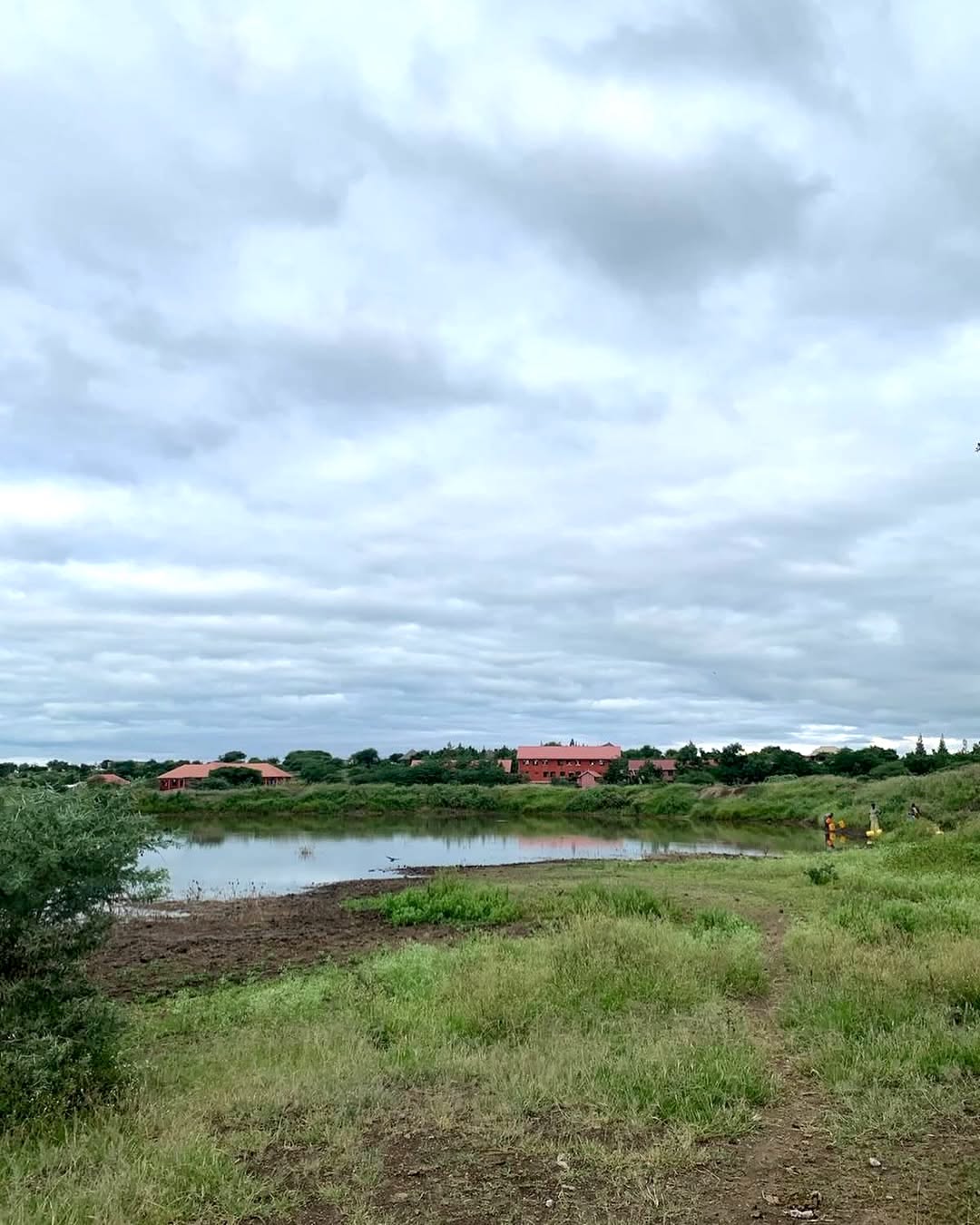
Rebuilding and reinforcing the Makuyuni earthen dam to restore a large, year-round water supply.
By integrating these systems, the project will reduce reliance on expensive and unreliable external water supplies while supporting domestic use, agriculture, livestock, and conservation activities in the region.
Background
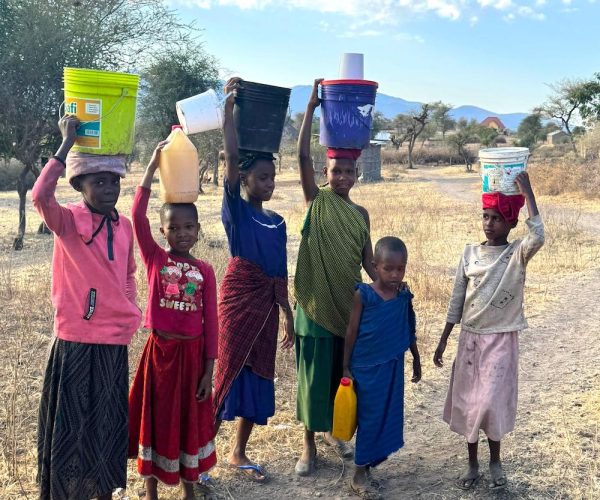
NMI is located in Makuyuni at the Kwakuchinja Wildlife Corridor (KWC), serving 360 pupils and supporting over 3,000 community members from surrounding villages including Minjingu, Naiti, Naitoilia, Lemion, Mswakini Juu, Mswakini Chini, and Makuyuni.
In March 2023, the earthen dam reservoir failed due to elephant activity and unusually heavy rainfall, cutting off the community’s independent water source. Since then, the school and community have been forced to rely on inadequate and costly alternatives:
Water trucking/purchase at a cost of 502,600 TZS (200 USD) per week – vulnerable to power outages and transportation delays.
A small solar-powered well, producing only 3,000 liters/day, insufficient for large-scale needs.
The lack of reliable water has constrained health, education, food security, and local economic development.
Project Components
1. Rain Water Collection and Underground Storage
Install rain gutters on school and community buildings.
Channel water into large underground tanks to minimize evaporation and contamination.
Provide safe, clean water for school kitchens, sanitation facilities, and household use.
Benefit: Harnesses seasonal rainfall to directly supplement water supply.
2. Borehole Drilling and Pumping
Drill boreholes in strategic locations.
Install solar-powered pumping systems for environmentally friendly operation.
Use borehole water as a backup and supplementary source during dry seasons.
Benefit: Provides a consistent supply that reduces dependency on external vendors.
3. Reconstruction of the Makuyuni Dam Reservoir
The centerpiece of the project is the repair and reinforcement of the earthen dam, undertaken in two phases:
Phase 1 (13,705,000 TZS / 5,454 USD):
Repair breach and construct compacted clay/gravel spillway.
Install solar pumps and piping for distribution.
Phase 2 (26,000,000 TZS / 10,346 USD):
Reinforce dam walls with stone and install a nylon liner to prevent seepage.
Establish long-term durability against erosion and elephant activity.
Outcome: A year-round reservoir with capacity to serve 360 pupils, 3,000 community members, 3,800 livestock, a 2-hectare vegetable garden, and a 12,000-sapling nursery for reforestation.